Free-trade zone in the US for your processing needs? Here’s what you need to know
Taking advantage of a free-trade zone when moving, processing, or assembling imported products can offer considerable economic benefits while bringing your products closer to end markets.
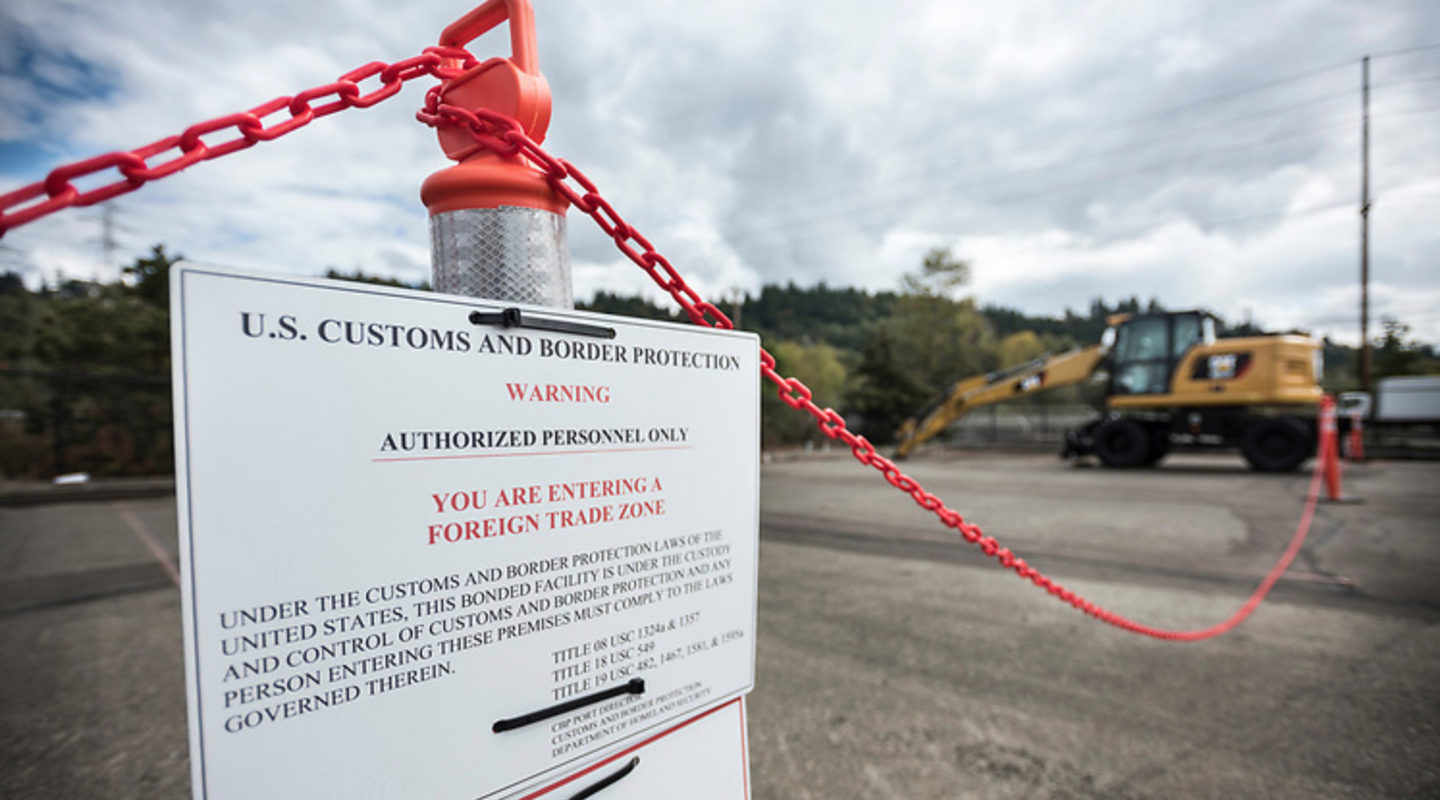
Importing goods into the United States, managing costs, and navigating complex trade regulations can be challenging. Free trade zones (FTZ) could be the solution you have been looking for.
What is an FTZ?
A ‘free trade zone’ or ‘foreign trade zone’ is a designated area that is considered outside customs territory. In an FTZ, businesses can store, assemble, or even process products without paying duties until the goods enter U.S. commerce—or avoid them entirely if products are re-exported.
This means that you can save costs significantly by deferring, reducing, or eliminating customs duties on your products, which frees up cash flow for you.
We have several free trade zones at our processing centers in the US. These are:
- Baltimore
- Galveston
- Tacoma
- League City
- Savannah
- Brunswick (under development)
Can inland FTZs deliver the same advantages?
Yes!
While FTZs are typically located near a port, inland FTZs offer even more benefits to you. We have inland FTZs in Savannah, Georgia and League City.
Our inland FTZs give our customers another storage option, one that is often closer to their dealer networks and includes financial and administrative savings as part of their logistics strategy.Senior Business Development Manager, Wallenius Wilhelmsen
"Inland FTZs offer more space than sites at terminals. They’re also useful if you need to be near your factory, since you can pre-assemble parts there before final assembly at the factory," Peterson explains.
Inland FTZs also offer additional services, such as inspection, inventory management and technical services, which all help to improve supply chain efficiency and reduce costs for you.
What is best for you – an FTZ or a bonded yard?
In addition to free trade zones, there is another option that might fit your needs better. It is called a bonded yard. These offer some of the same benefits as FTZ, like being able to defer paying tariffs and duties. But there are some key differences.
In an FTZ, the rate of tariff/duty is set at the time of entry, while for a bonded yard, the rate is set at the time the cargo leaves.
In an FTZ, limited manipulation and processing of the cargo is allowed. In a bonded yard, however, neither is allowed.
Our bonded yard is located in Carlisle.
A bonded yard might be the solution for you if:
- Ship less than 52 shipments per year
- You need storage for shorter periods of time (up to five years max from date of import)
- If you expect tariffs to decrease in the foreseeable future, as the duty rate is set from the time of cargo withdrawal from the yard