Stories from the sea: How a safety-first mindset builds trust at sea
In global supply chains, precision is everything. Manufacturing timelines depend on vessels leaving on time, arriving on time, and delivering customers products exactly as expected. Yet behind every reliable schedule lies something far more fundamental. Safety.
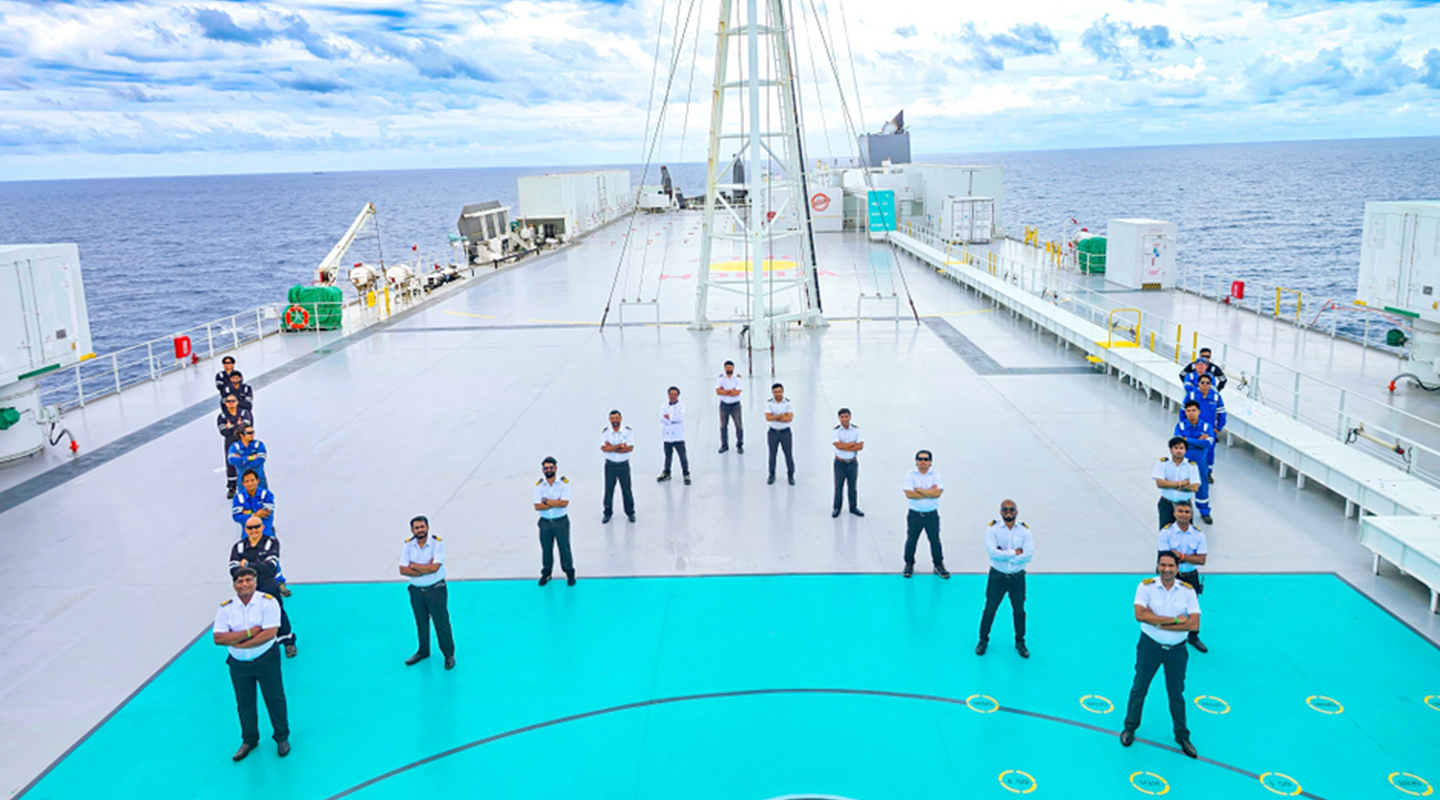
Customers often ask: How do you maintain reliability across thousands of sailings, ports, and cargo types especially in a world of uncertainty? The answer is simple: safety comes first.
On board, safety is not just a written rule or formal procedure. It is a shared mindset, practiced daily by crews across all roles and departments. When conditions change, deadlines tighten, or operations become more demanding, safety doesn’t pause—it becomes sharper and more focused.
This disciplined way of thinking is what allows us to handle challenges with confidence and care. And it is why safety matters not only to the dedicated people on board, but also to the customers who trust us with their cargo every day. Here’s a story from the sea...
What happened?
During a port operation, a heavy and complex breakbulk unit destined for a long voyage did not meet Wallenius Wilhelmsen’s strict securing standards. An improperly secured load isn’t just a technical issue – it can trigger delays, damage and cascading disruption across a supply chain.
The issue was identified early, raised immediately, and addressed without hesitation. The crew followed well-established safety routines, aligned quickly with the captain and port captain, and ensured the cargo was re-secured according to procedure.
The outcome was exactly what our safety culture is designed to achieve:
- A potential incident prevented
- A customer’s cargo protected
- A schedule kept intact
In other words, safety protects reliability as it does every day across our fleet.
Safety gets stronger when everyone feels responsible not just those in command.” On Tongala, openness didn’t just start a conversation. It drove decisive action that kept the voyage safe.The Captain of M/V Tongala
Why this matters
For our customers, the value of a strong safety culture is not abstract. It shows up in ways that directly impact your business:
- Fewer incidents mean fewer delays - A vessel that stops unsafe operations early is a vessel that keeps its commitments.
- Cargo integrity stays intact - Heavy and high value goods—machines, vehicles, project cargo—reach destination as planned.
- Smoother operations at port - When crew speak up confidently, problems are solved before they escalate.
- Predictability improves across entire supply chains - Safety reduces variability, and reliability reduces cost.
This is why safety is more than a moral obligation for Wallenius Wilhelmsen. It is a strategic advantage for you and for us.