Meet our expert: Kari Haugen
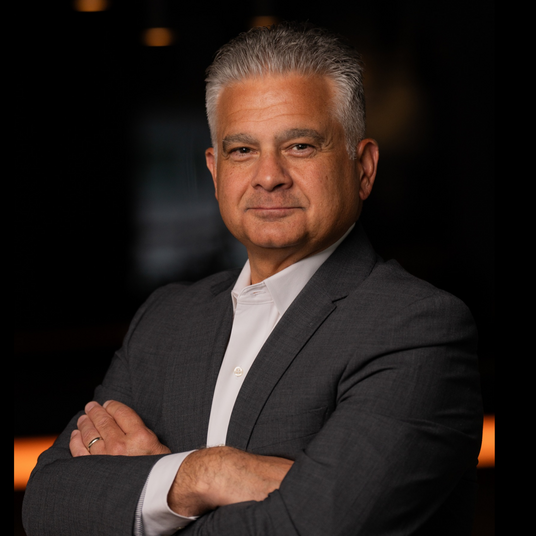
In this month’s edition of Meet our Expert, we meet Kari Haugen, Senior Manager, Energy Sourcing, who leads the Energy Sourcing team. Kari has been with the company since 1990 and has been working with energy sourcing for 25 years.
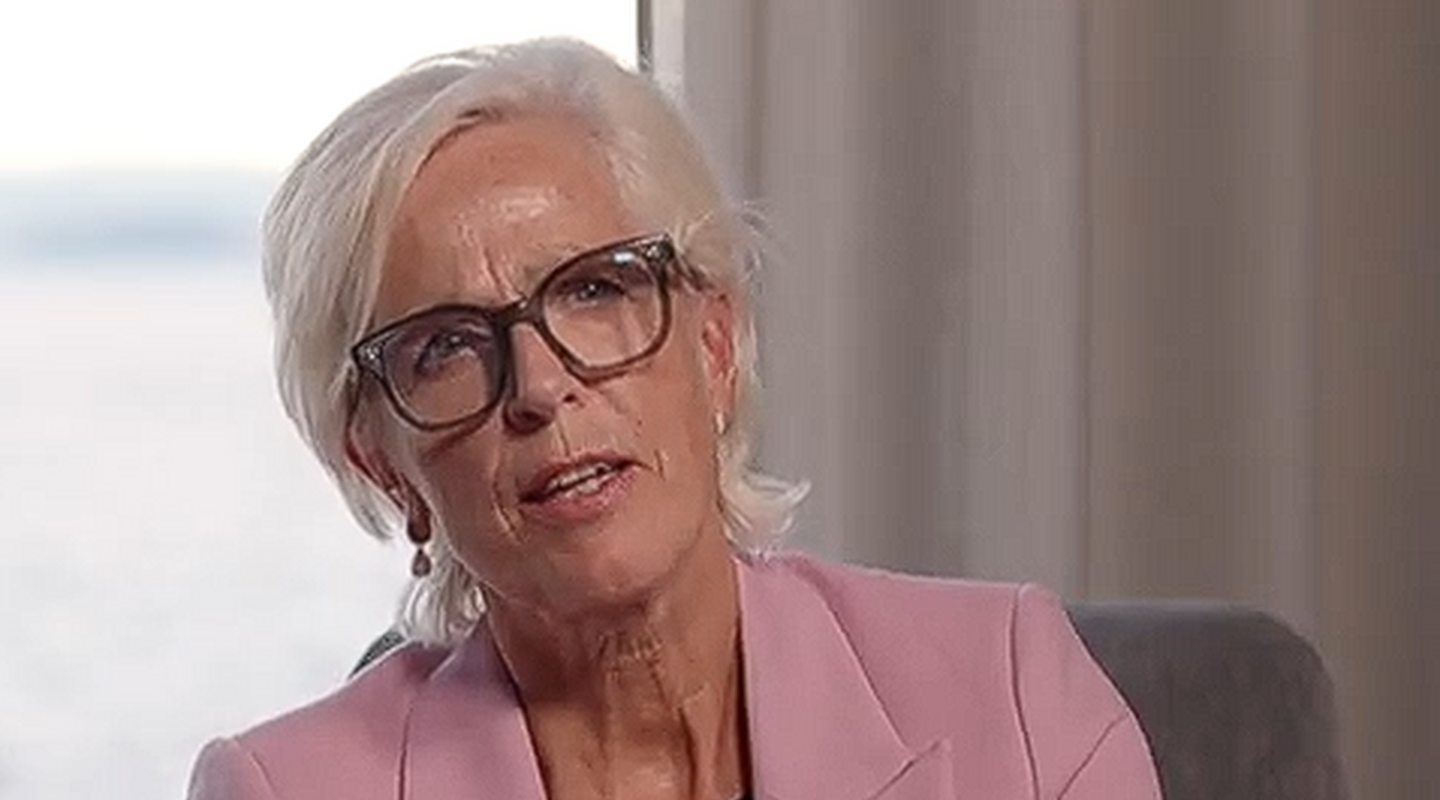
Hi, I'm Kari and I lead the Energy Sourcing team, responsible for the procurement of conventional fuels, and alternative fuels such as biofuels, LNG and methanol. In addition to procurement, my team is responsible for tender processes, contract management, bunker planning and execution.
We also ensure that our ships receive the fuel they need at the right time and place to avoid delays, while also optimizing purchase to achieve the best possible price. In addition, we have to make sure that all fuel supplied complies with regulatory requirements and meets strict quality standards. Poor fuel quality can lead to onboard issues, engine malfunctions, equipment damage, and costly repairs.
The team play a central role in sourcing the low carbon fuels we need to meet our commitment to reach our customers’ and our own decarbonization targets.
The transition to alternative fuels not only reduces our carbon footprint but also enables us to fulfill our commitments to customers seeking lower CO2 emissions when transporting their cargo.Senior Manager, Energy Sourcing
How has the fuel landscape evolved over the past years?
Until about a decade ago, the fuel landscape was quite simple, with two main grades of fuel with worldwide availability, Marine Gasoil (MGO) and High Sulphur Fuel Oil (HSFO).
Regulatory changes and emerging green fuels have made energy sourcing increasingly complex, as the various fuel grades have different market dynamics, pricing mechanisms, availably locations and technical specifications.
Our fuel mix today consists of HSFO, Very Low Sulphur Fuel Oil (VLSFO), Low Sulphur Gas Oil (LSGO), Biofuels, LNG, and Bio-LNG. Soon methanol will enter the fuel mix as well when our first Shaper vessel is delivered later this year.
This development represents a significant increase in complexity compared to just a few years ago, particularly given that in 2022, our operations relied entirely on conventional fuels. We expect to use more alternative fuels in 2026.
The Methanol deal with Equinor
Recently, we signed a contract with Equinor, for supply of mass-balanced bio-methanol to our Shaper vessels in the coming years. This contract brings several advantages.
“The methanol supply agreement with Equinor will ensure that we can use low carbon mass-balanced bio-methanol, which will be delivered to our vessels in Antwerp and Zeebrugge. This will be key for offering our pilot net-zero end-to-end service to selected customers, while at the same time contributing to our overall emissions reductions.”
In addition to the deal with Equinor, the Energy Sourcing team are continuing to explore other fuel types.
“Using fuels with lower carbon content is key for reaching our decarbonization targets together with the work being done by our energy efficiency team,” says Kari.