Meet Luca Schmid
Moving breakbulk cargo often means dealing with unique dimensions, technical constraints, and tight timelines. That’s why every project requires a tailored transport solution. As Manager Transport Engineering, Luca Schmid combines maritime experience with technical expertise to help customers move complex cargo safely and efficiently.
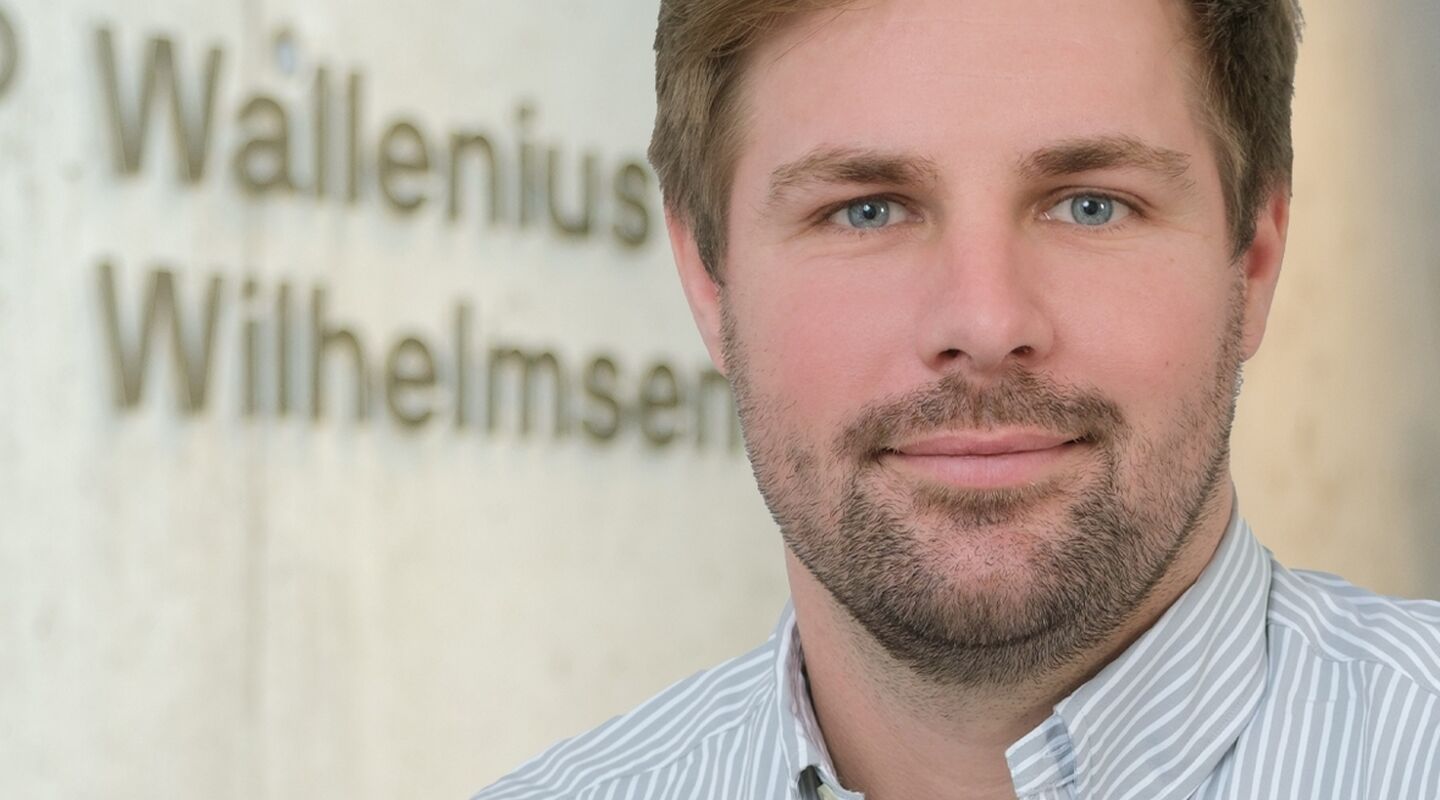
Meet Luca
After studying nautical science in Germany and spending time at sea, I moved ashore to work with heavy lift and breakbulk cargo for an independent transport engineering company. Today, at Wallenius Wilhelmsen, I lead a team focused on finding tailored solutions for cargo that do not fit standard transport setups.
The time I spent at sea helped me a lot to find creative solutions. On board you usually have to work with what’s available. I sailed on general cargo vessels operating in smaller, non-specialized ports, where supplies were often limited and could take a long time to arrive. solutions. This can include areas such as food supplies, spare parts, nautical charts, as well as cargo securing and lashing equipment.
While I learned a lot at sea, visiting ports is an equally important and fulfilling part of my job. Being on site allows us to verify that dimensions, lashing points and handling conditions match the original plans. Even the smallest differences can require adjustments to ensure safe loading and transport.
When standard equipment isn’t enough
When it comes to Breakbulk, one of the biggest challenges I see is timing. If my team is brought in late, when cargo is already at port and loading is close, the options become more limited. That’s why close collaboration and early planning are essential for reducing risk and finding the right solution.
As a result, my team and I are frequently involved in customer-facing activities, including trade fairs, factory and customer visits, as well as seminars and webinars where we educate customers on the safe and efficient handling and transportation of breakbulk cargo on our equipment and vessels.
Because breakbulk is not standardized, many shipments has to be assessed on its own terms. My team and I take a variety of considerations into account before deciding on the best approach. These considerations include vessel types, terminal limitations, available equipment, and cargo dimensions.
For me, the most satisfying part is solving a challenge that at first seems to have no obvious answer.
A good example was a rail tamping machine shipment from Bremerhaven to Port Kembla last year. This shipment included two units, where the first one could be handled on a standard 62-foot roll trailer. The second, however, was too long and heavy for our standard roll trailer.
Together with the customer, we developed a completely new loading and offloading concept using a Self-Propelled Modular Transporter (SPMT) and railed Blocks & Beams. The solution enabled us to safely transport a unit that exceeded the limits of our standard equipment.
Engineering confidence before cargo moves
Developing new equipment for cargo that requires something beyond standard solutions is something I really enjoy. By working with our equipment department and partners to influence design, we can create tailored handling equipment that makes difficult shipments possible.
Sometimes it’s as simple as shortening or extending existing equipment like platforms for our MPBs or adding additional steel beams to a roll trailer or Samson trailer to ensure cargo can be safely supported.
In complex cargo moves, confidence is built before anything is loaded. By creating load plans, lashing calculations, and simulations in advance, we build the technical basis for a transport solution that has been thoroughly tested.
Every breakbulk project brings a new challenge, and that’s what keeps the work exciting. Whether adapting existing equipment, developing entirely new handling concepts, or supporting customers at the earliest planning stages, our goal remains the same: finding the safest and most efficient way to move complex cargo.